Thursday, May 26, 2011

Vesak Day in Malaysia

Image Hosted by PicturePush - Photo Sharing
Vesak Day, or Vesakha is a Buddhist festival observing the birth, enlightenment and the death of Gautama Buddha, all on the same day.

The celebration of Vesak Day falls on the first full moon in the month of May; which is also the 15th day in the Chinese Lunar calendar. The name Vesak is derived from the name of the month in the Indian calendar (Siddharta Gautama Buddha is an Indian prince).
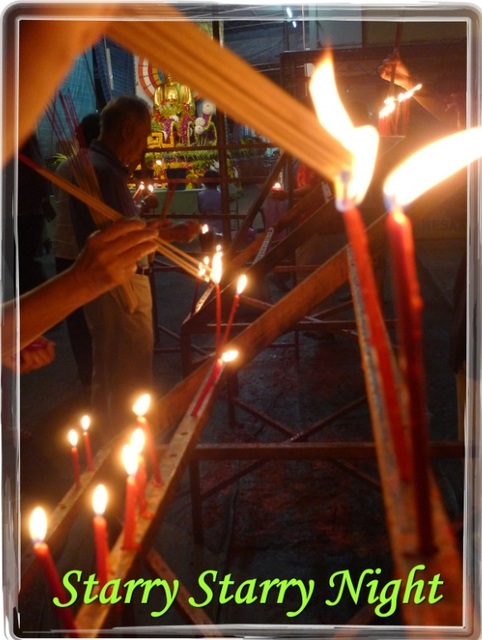
Image Hosted by PicturePush - Photo Sharing

The festival is celebrated in several countries around the world; which observe it as an annual national public holiday. It was traditionally observed by countries like India, Nepal, Sri Lanka, Bangladesh and also South East Asian countries such as Cambodia, Laos, Vietnam, Indonesia, Thailand, Myanmar and also Malaysia.

I did not travel out of the country (perhaps someday I should) to participate in the festival celebrations or to experience how it is observed in other countries, but I think the festival is already observed with much importance in my own homeland.

I am not a Buddhist, but I was honored to be able to join in the celebrations with the devotees who woke up early in the morning to visit the temple, or the Buddhist Association; in this case, the association in Penang (located on Burmah Road).
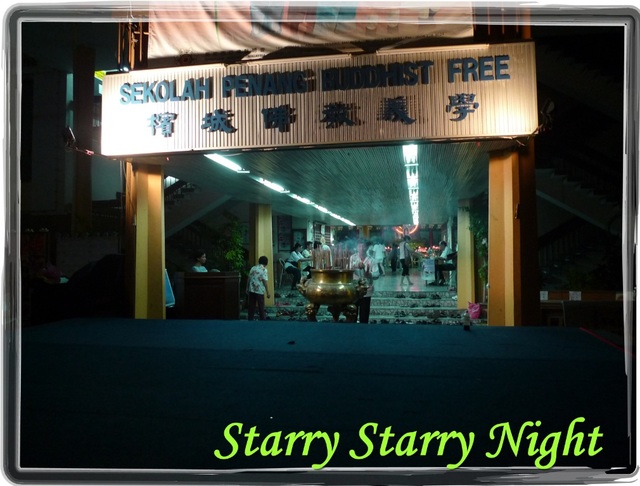
Image Hosted by PicturePush - Photo Sharing

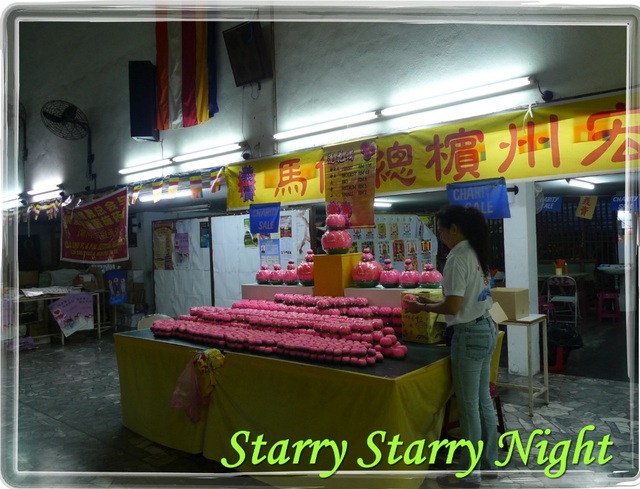
Being early means one get to avoid the massive crowd which will form later in the day, and also to be able to see the setup and preparations of the volunteers for the big event; which included the prayers, blessings and also the parading of Buddha statue on the streets.
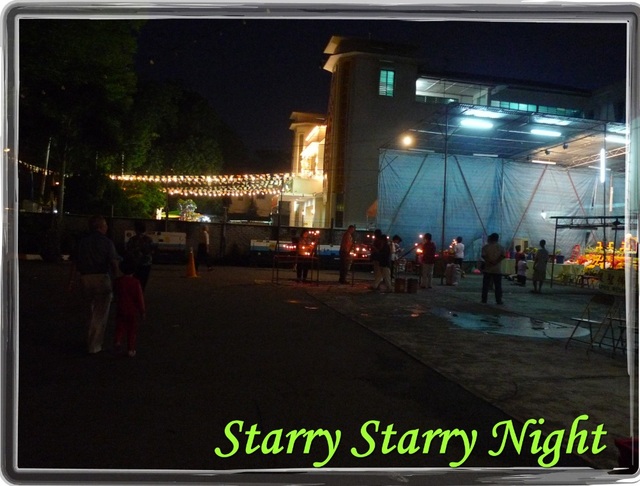
Image Hosted by PicturePush - Photo Sharing

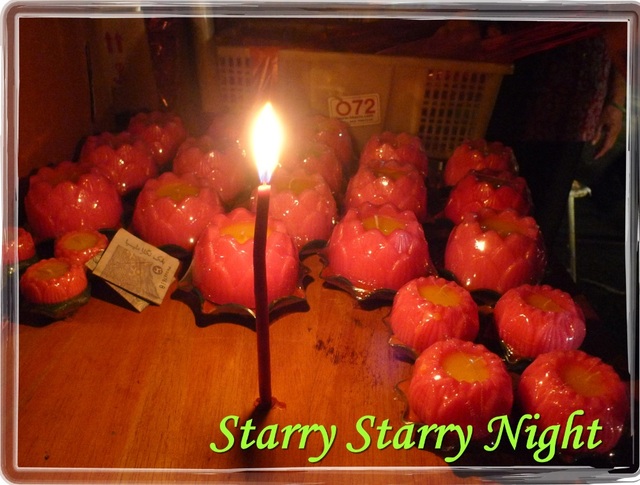
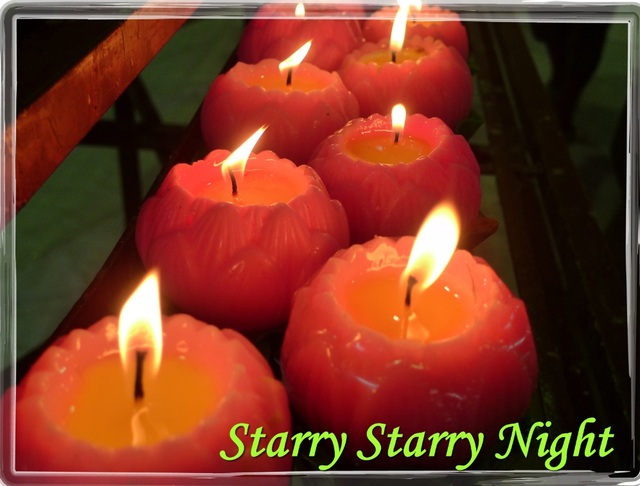
It is not uncommon to spot stalls selling fresh flowers, candles (lotus shaped), and joss sticks on the roadside on this day; whichever temple or association centre you go to.
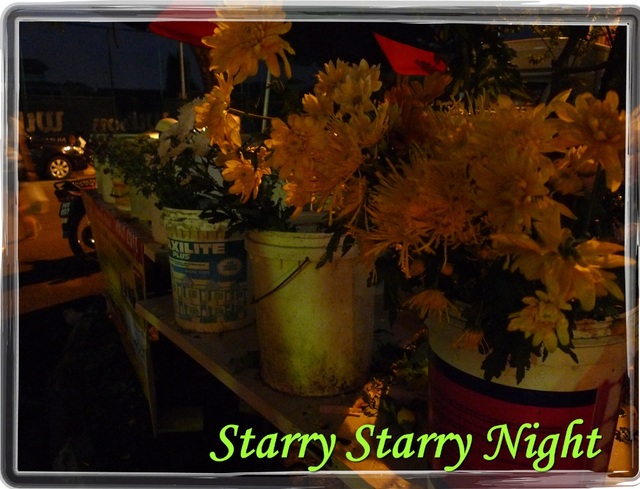
Image Hosted by PicturePush - Photo Sharing

Vesak Day is a religious festival, and is viewed as a very important celebration in the Buddhism context as Buddhists are to reaffirm their faith in Buddha's teachings besides the three momentous events; birth, enlightenment and death of Buddha.

Emphasizing on peace and nobility of life in serving others, Buddha called on his disciples/followers to do the same, through the observation and daily practice of the Five Percepts; which focuses on the commitment of abstinence from killing, stealing, sexual misconduct, lying, and intoxication and to adhere to the teachings of life towards humility, morality and simplicity.
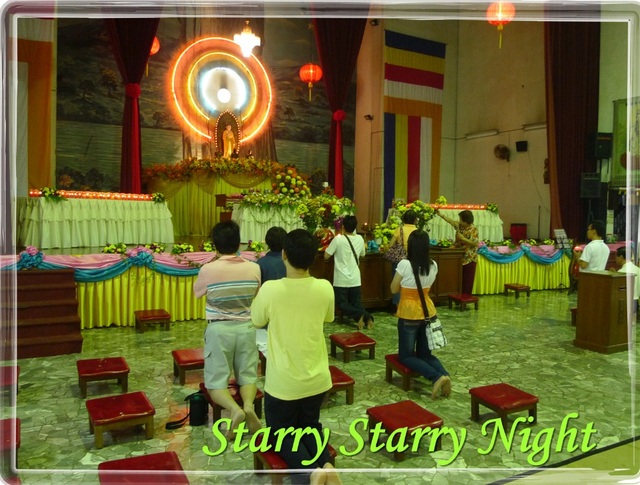
Image Hosted by PicturePush - Photo Sharing

On important festivals/events such as Vesak, the Eight Percepts are observed, as an addition to the Five Percepts, but they are based on the moral guidelines to lead a more honorable life according to the messages preached by Buddha.
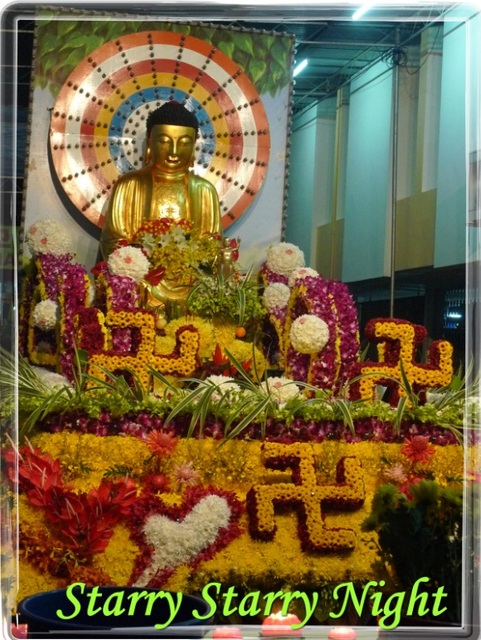
Image Hosted by PicturePush - Photo Sharing

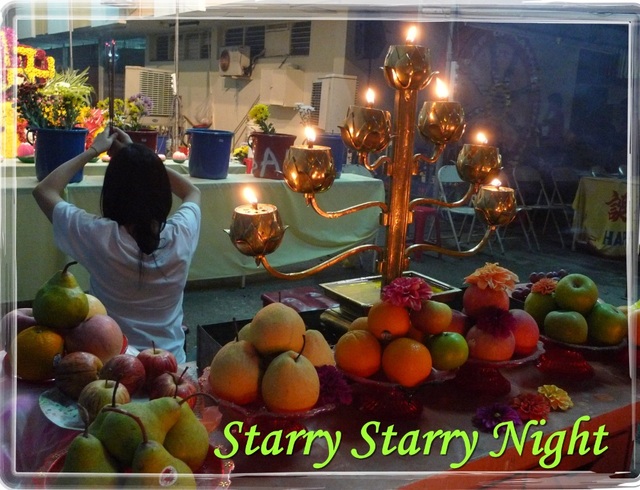
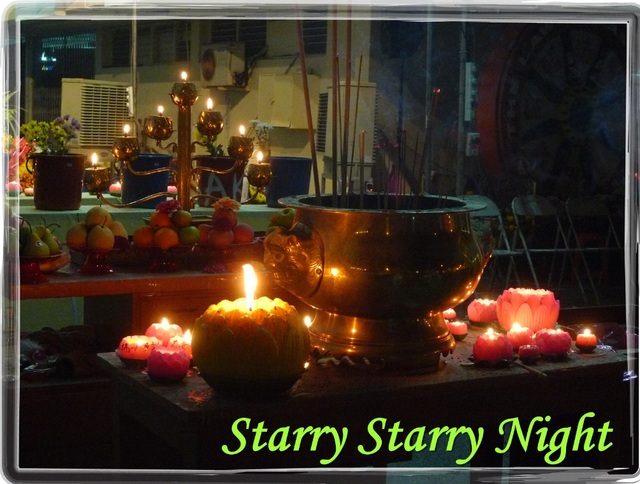
Typically, as I was told, there are rarely joss sticks used in the worshipping of Buddha, but on Vesak Day, joss sticks, candles, fruits and flowers are offered to Buddha (the joss sticks are not allowed at the altar or inside the building though).
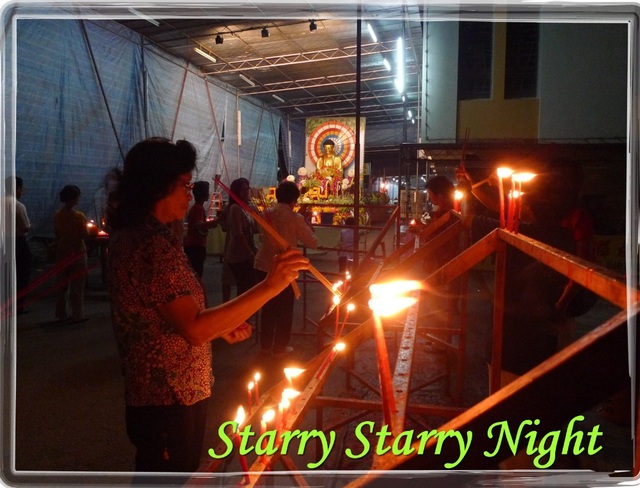
Image Hosted by PicturePush - Photo Sharing

There is a meaning to the joss sticks and flowers offered, and is again, in line with the teachings of Buddha.
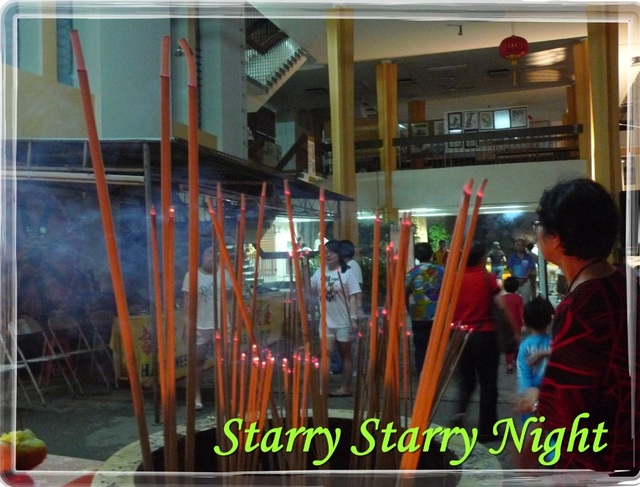
Image Hosted by PicturePush - Photo Sharing

It is based on the concept that nothing stays for eternity, and that there is always change revolving around all matters. Joss sticks are burnt and then there is nothing left but ashes, and flowers do not stay in bloom forever as they will wilt, dry and fall to the floor. It is the same with life, no one stays immortal nor young forever, we are also subject to death and objects around us could also be destroyed.
Therefore, people are urged to appreciate what is present and also not to do harm unto others.

The celebrations of Vesak Day also traditionally start before dawn, whereby devotees are called to the temples to assemble and witness the raising of the Buddhism Flag.
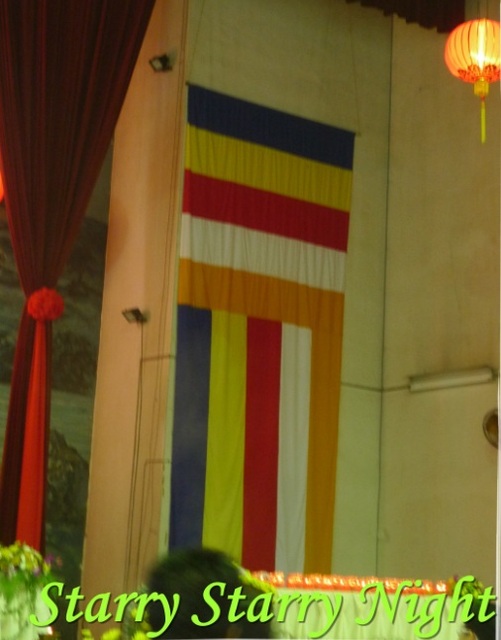
Image Hosted by PicturePush - Photo Sharing

Then there are Buddhism hymns sungs, which are verses from the Buddha, Dharma, Sangha; all of which are part of the holy triple jewel.(Source: Vesak, Buddhism)
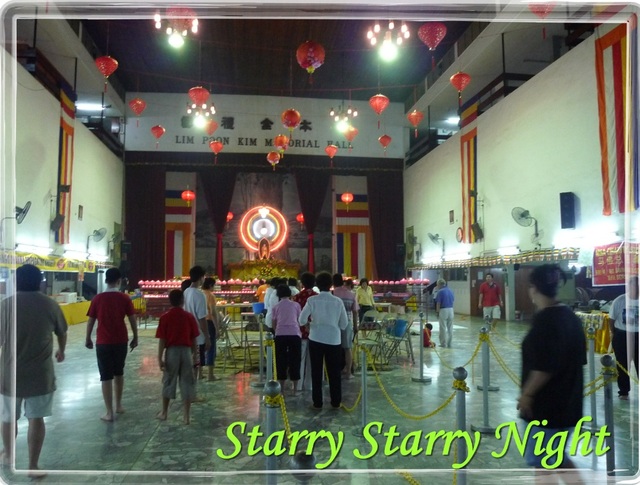
Image Hosted by PicturePush - Photo Sharing

Besides the worshipping and observing of the teachings, the devotees are also called to practise the peaceful and life-giving kindness to others.
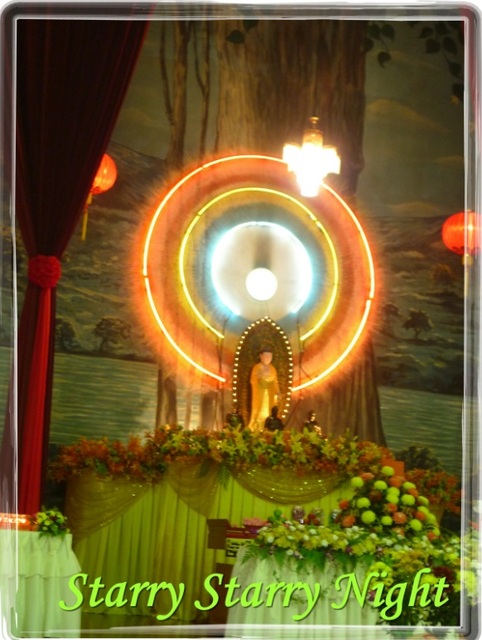
Image Hosted by PicturePush - Photo Sharing
As such, some would volunteer to help with the preparations or painting/decorating the temples - painting of Buddhism murals, preparing food for the poor and the needy, donations to the poor (clothing, food or money) as these resemble acts of kindness, harmony, peace and unity among all mankind.

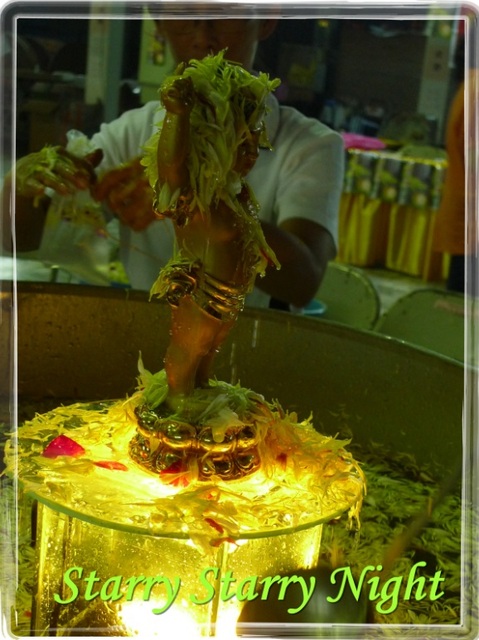
Another interesting ceremony to observe during the celebration is the bathing of the small baby Buddha statue which is placed standing in the middle of a golden basin filled with water scattered with fragrant flowers.
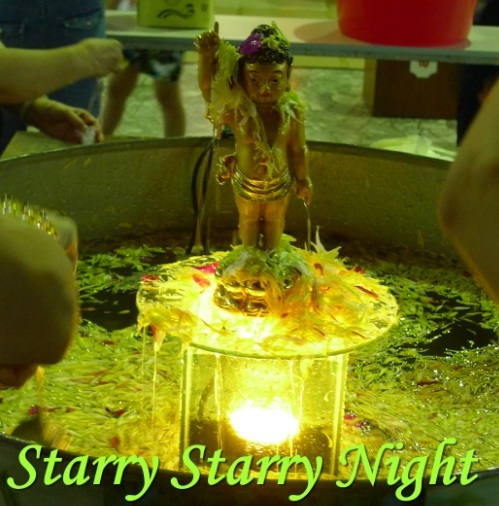
Image Hosted by PicturePush - Photo Sharing

Devotees will then take turn to bathe the baby Buddha, by using the ladle provided to scoop the water in the basin which are filled with the flowers and gently pour it over baby Buddha's head and body.
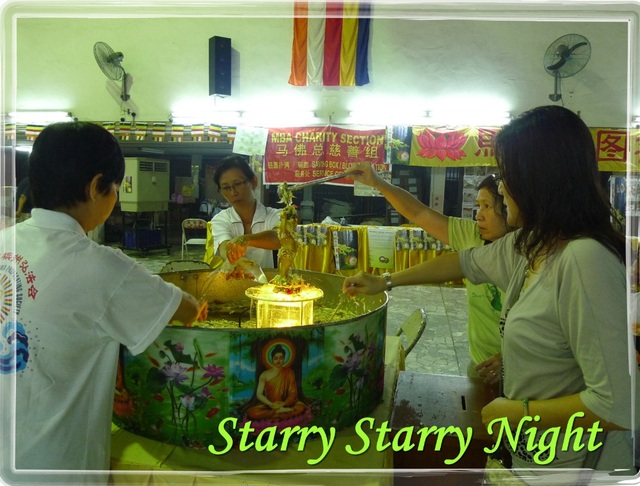
Image Hosted by PicturePush - Photo Sharing
This is significant in cleansing the bad karma from oneself (devotee/practitioner) and at the same time, remembering the birth of Buddha and honoring him with the offering of gifts and flowers.

There will be volunteers packing the 'bathing water' from the basin into plastic bags for devotees to bring home, as it is considered holy water.
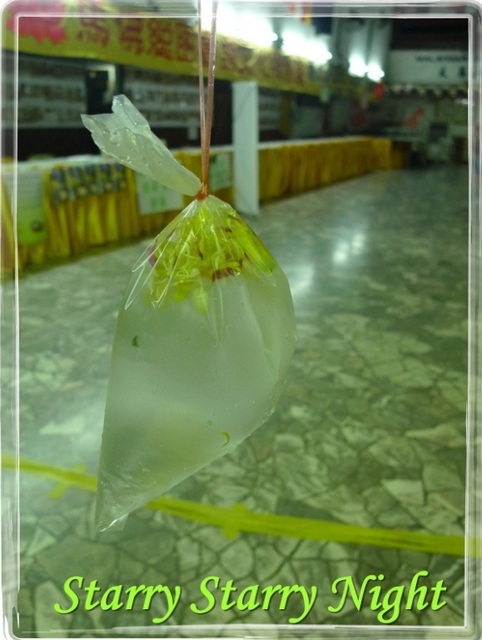
Image Hosted by PicturePush - Photo Sharing
Traditionally, the water is poured into the water tub in the bathroom as I was told, but these days, they will just put it in a basin for everyone in the family to bathe with a little of the water from the packet.

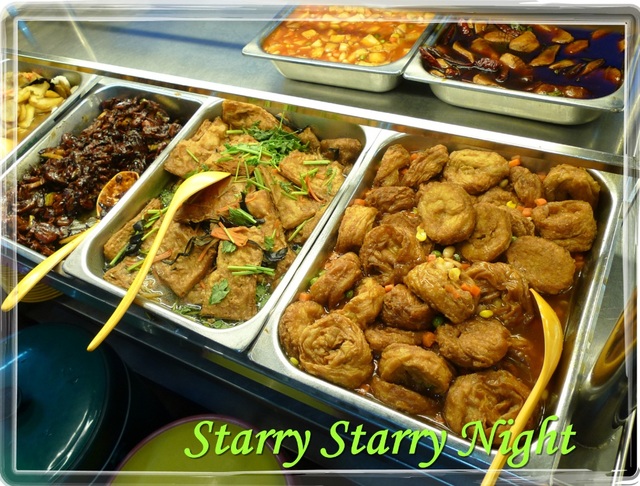
All religion do not condone the act of killing; so does Buddhism teachings. On festivals like these, the devotees are to abstain from food which involved killing of animals; in short, no poultry or meat and one has to adhere to a vegetarian diet on that day itself.
Vegetarian food
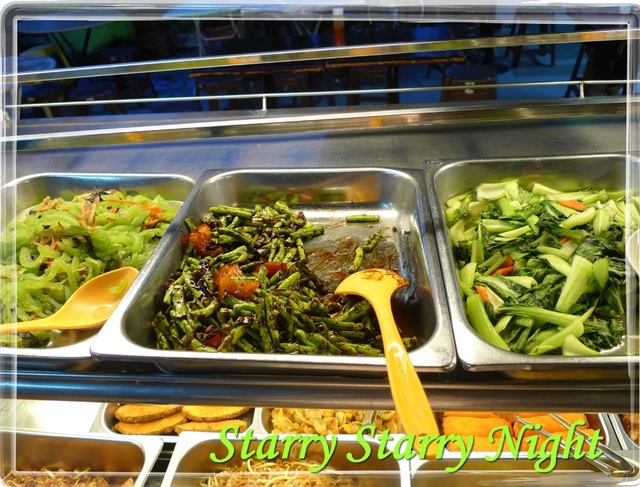
Image Hosted by PicturePush - Photo Sharing

There are also doves, or tortoises being released as a symbol of freedom and peace.

Vesak Day is an important religious festival, and is marked by a national public holiday in Malaysia. Be respectful to others' religions even if you are not a devotee, and if you are interested to take photos, do be aware of your surroundings and be mindful not to be in the way of the devotees who are offering their prayers.

Another unique part about this festival is that it is unlike other festivals where people are dressed to the nines to celebrate, I noticed that most of the devotees are dressed in simple clothing and I found that it is also according to the teachings of humility and to be mindful of the teachings of Buddha.
Well, even if one is not required to dress formally, it is common sense not to go in your pajamas or micro mini skirts as well.

I wish all the Buddhists out there (whether you are my friend or not), a very blessed and fulfilling Vesak Day (it's belated, I know, but the teachings are never belated).

Monday, April 25, 2011

Stories of Karak Highway

The infamous highway which was an interchange route for the urban city dwellers of Kuala Lumpur (capital of Malaysia) to Genting Highlands; as the highway or expressway links the city to the town of Karak in Pahang.

The highway was built in the 1970s; originally intended as an alternative route from Gombak to Bentong in Pahang; using the Federal route.
The costs of the construction was rather high and tolls were then implemented to help to cover for the costs of the highway.

The Karak highway was notoriously known for its many haunting stories, told by the many eyewitnesses who drove on the highway.
There were just so many stories which emerged; and so many had been heard.

The highway garnered much attention due to the high number of accidents which took place on the highway, thus giving way to the rumors about the origin of the highway location and also the road being haunted.

There were a few rumored sources as to the reason for the hauntings on the infamous expressway:
1. The grounds on which Karak highway was built upon was said to be the burial grounds for the aborigines (also known as Orang Asli in Malay) or the settlement of the aborigines.

2. The number of accidents happening here since its establishment

The notorious reputation for which Karak was known seemed to turn it into a fearful area for motorists especially during the night due to the many stories shared by motorists who have experienced some of the hauntings while travelling along the highway.
The following are the few stories that I have gathered from some research and readings on this highway:

Story 1 (the most common/popular version of the haunting on Karak)
(I am not sure about the validity of this story or whether it really took place on Karak)
There was once a couple with a baby travelling on the highway at night. It was during the festive season, and they chose to travel during the ungodly hour to avoid massive traffic jams to reach home. Little did they know that their decision was about to change their lives forever.
As it was late at night, the roads were quiet along the lonely and deserted stretch.
It was at that time that their car broke down, finally giving way to the continuous jerks and weird noises for a while.
The husband was surprised as the car had been inspected and ensured to be in good condition prior to the travel.
As the road was rather deserted at that hour and barely a passing vehicle could be spotted, they were unable to get help. The husband then decided to get out of the car to check on the car instead of just waiting in the car as it was still a long way to dawn.
He told the wife to stay inside the car with the child and to keep the doors locked at all time and not to budge even if she heard sounds from the outside.
He got down from the car, and walked a little to see whether he could find any petrol station or house nearby.
The wife waited patiently in the car, but after what seemed like a long time, she started to worry for her husband's safety. The child was also crying and that made her restless.
At the same time, a car was passing by and it slowed down but sped off after passing her car. It was a police car, she noticed and the car stopped a few metres in front and the policemen got out with a loudspeaker and shouted for her to get down slowly and walk towards them and not to look back.
She was unsure of what to do, but she obeyed the orders of the policemen anyway, and got down with her child.
As she reached the police car, she turned back out of curiosity, and it was then she saw the most horrifying sight; her husband was headless on the top of the car, and there was a creature which was feasting on him.
The police hurried her into the car and sped away.

Story 2: The Yellow Volkswagen
There were reported sightings of a yellow volkswagen on the highway. It could be appearing from nowhere, sometimes no driver was spotted in the car!
The yellow car could be driving slowly on the right lane, thus making others try to overtake it. When you overtake it, you would realize that there is no driver in it!
Other instances could be the car would try to speed up once it had been overtaken by you and then disappear just like that out of your sight.
Most motorists have been warned to not overtake the car or it will keep appearing in front of you like the above stories.

Story 3: Sighting of Pontianak
There have been reported sightings of a pontianak (means female vampire in Malay) flying on the highway at night. The pontianak is believed to be a woman who had died of childbirth and harbors immense hatred and anger. She preys on men and is said to tear their organs apart. Pontianak could come in the form of a beautiful young woman in white to seduce the men.
Some motorists claimed to have seen a beautiful woman on the highway who could sometimes make heads turn (literally) and she could be by the side of the road, asking for a lift.
Whatever it is, it is wise to apply common sense when you are traveling along a quiet road at night and drive on instead of stopping when a lady or whoever is spotted for safety reasons. Even if they are not ghosts, they may be robbers in disguise too.

Story 4: Sighting of a small boy
A little boy had been spotted on the highway. He could appear at the side of the road, and seemed like he is looking for something. The next thing you know, he could be appearing next to the car and running along it; even if you are travelling at 110km/h. The boy would be asking the same question over and over again, "Have you seen my mother?"
Word has it that the boy and his mother was involved in one of the many accidents that took place on the highway and both were killed. Their bodies could have been thrown into different locations, separating the mother from her son and thus the little boy's restless spirit is constantly looking for his mother.

There are many more stories from the infamous highway which I probably didn't know about but these are the more popular ones.
It was perhaps this notoriety about the hauntings which attracted the interest of the local filmmakers in Malaysia to produce a film on the highway itself.

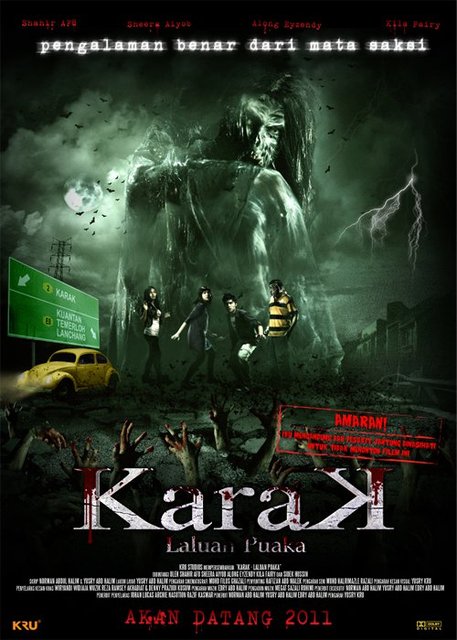
Produced by KRU, who were originally a talented group of three brothers in a band now turned filmmakers and producers, the movie Karak: Laluan Puaka is scheduled for release this month; 26th May 2011 and is said to include the different stories about Karak into this horror epic.

The plot of the story is about four young college students on their way back to their university from their hometown and trying to avoid the traffic jam on the major highway, they decided to re-route their journey towards the old trunk road passing by the Karak town.
It was not the wisest decision of their lives as this was about to change their lives forever.

The rest, is for you to find out when the movie is released this 26th of the month...


Image Hosted by PicturePush - Photo Sharing


Watch the official trailer here:


For more information on the movie, check out their official website

The movie would probably be able to give more insights into the stories on the Karak hauntings, as it combines all the stories from the experiences of the eyewitnesses after extensive research by the production team and from the trailer, it looks good :)

I am proud of our Malaysian talents and also the movies made to introduce our country to the world, albeit through the horror genre, but nevertheless, a good start.

Easter Triduum

Easter Triduum is the commencement of the exciting journey of three days leading to the Lord's Resurrection on Easter.

The Easter Triduum is also known as the Holy/Paschal Triduum as it observes the Paschal Mysteries and the triduum, as the name suggests, spans for three days and consists of the Passover on Holy Thursday, Good Friday and the Holy Vigil Saturday/Easter.

Holy Thursday, marks the beginning of the Easter Triduum and observes the event of the Lord's Supper on the night before He was betrayed by his own disciple.
The significance of this meal is symbolic in the mass celebration in the Catholic Church, and also the foundations of Christianity.
Holy Thursday, also known as Maundy Thursday, shows us Jesus's preparations for his own death on the cross for us sinners.

The highlights of the celebration of the Lord's Supper:
1. The washing of the feet - The priest reenacts Jesus's actions of washing his disciples' feet by washing the feet of twelve parishioners selected by the Church.
The meaning of this event is stated by Jesus himself that by the washing of the feet, they are sharing a part of Jesus.

2. Breaking of Bread and transformation of bread and wine into the Body and Blood of Jesus Christ
During the supper, the Lord lifted his cup and bread and performed his last miracle; offering himself for us. The bread and wine are His Body and His Bloo; in which we share a part of him as well.
We are joined in union with the Lord (though not worthy), as we drink from his cup and eat from his bread.
Blessed be the Lord Jesus Christ

3. Silent Adoration of the Blessed Sacrament
The congregation is to leave the church quietly after the eucharistic celebration for the observance of the Lord's final hours at the garden while waiting for his death.
The altars are all stripped bare and the Cross and all the statues in the church are covered with a purple cloth to observe the solemn period (mourning).
The adoration can continue until midnight.

This is followed by the Stations of the Cross on Good Friday.
It is important to note that Good Friday is the only day in the entire church calendar without a mass; and is only a service.
This is because a mass is always synonymous with a celebration, and Good Friday marks the crucifixion of the Lord Jesus Christ (His Death), and therefore, it is not something to celebrate about.

The Good Friday Service is also divided into three parts:
1. Stations of the Cross
The Stations of the Cross precedes the Good Friday service, as we follow the final of Jesus Christ who bore his own cross on His back towards His Death.
He died for us, and He suffered continuously in pain, humiliation and grief during his last hours. He was just as much human as you and me, which was according to the Scriptures as He was made to feel the pain inflicted on his own flesh like a man.
His death was cruel, but it was God, His Father's will.
God, is Our Father, and He Loved Us so much that He sent us His ONLY Son to redeem us from our sins.
At the part where Jesus Christ breathed his last, the whole church would observe this in silence with bowed heads and kneeling to mourn his death.

I would never be able to hold back my tears whenever I thought of His suffering on the cross for us, and I guess that is the reason the Church always hang a Crucifix inside the church or at the altar to remind us all of the sacrifices made by Jesus Christ.

2. Veneration of the Cross
The people in the church would make their way towards the altar servers/ministers holding the wooden cross to kiss the cross.
There will also be a box for donations (at your own will) for parishioners to contribute while kissing the cross.

3. Holy Eucharist

Good Friday, as I have always observed, is always raining, particularly around the 3pm period as it was also coincidentally the time of Jesus Christ's death.
Perhaps the recent years have seen changes in the weather due to the global warming, making the weather rather unpredictable.
This year, I did observe rainfall and thunderstorm inside the church during the service.

Holy Saturday is the period of observation of Jesus's lying in his tomb leading to His resurrection, which is the reason Holy Saturday is often known as the Holy Vigil/Easter Vigil.
The church combines the observation of Holy Saturday and staying vigil until the early Easter celebration.
This is by far, one of the longest running mass in the whole year as it usually takes around 3-4 hours, depending on the church.

The Holy Saturday is composed of four main parts:
1. Service of the Light
The church is in total darkness at the beginning of the mass and this is symbolic of Jesus's death and lying in the tomb, and also of how we all started out.
There was total darkness in the beginning of world, and Jesus Christ is our light.
The priest would say prayers and then light a bonfire upon which the big Easter candle (only used for sacred celebrations) is lit, and at the same time, proclaiming the words, "The Beginning and the End", "The Alpha and the Omega"/.

As the Easter Candle is lifted and led into procession into the church, the priest sings, "Christ Our Light" and to be responded by "Thanks be to God" by the congregation.
In some churches, the congregation and the priest gather outside the church and walk together in a procession into the church whereas in some others, the congregation are seated inside the church while the priest stands outside to light the fire.
The light from the Easter candle is then transferred to light the candles of each parishioner.
When the whole church is lighted up, it looks like a "Sea of Lights" to me, an indeed beautiful sight.
(The power in the church is turned off for this purpose and only candles are lighted).

2. Liturgy of the Word
Readings from the Old Testament are read during this time (at least seven readings), beginning with the creation at the start of the Bible, and one of the readings will also include that of the crossing of the Red Sea.
Before the Gospel, Alleluia is sung.
After the readings and the responsorial psalms, the ceremony will be followed by the Gloria where the bells and organs/musical instruments all are used loudly to signify the glorious moment.
The servers and the ministers would also use this period of time while the Gloria is sung to decorate the altar and to strip the cloth covering the statues in the Church.
(The unveiling of the statues and Cross)

3. Sacrament of Initiation (Baptism and Renewal of Baptismal Vows)
The new elects are presented to the Church for their baptism and confirmation ceremony as they join the Catholic family after a year of learning about Christianity. The rest of the church renews their baptismal vows and welcomes the new members of the Church.

4. Liturgy of the Eucharist

It is then the glorious celebration as the Church celebrates Easter and rejoices in the resurrection of the Lord.

Easter Sunday, is a day to rejoice in the Lord's rising and there is often morning mass celebrated in the church.
It is the most triumphant and joyous celebration of all, and is the main highlight in Christianity. Easter is observed as an even more important celebration than Christmas as we truly see and experience the Love of God and the redemption of our sins.

Praise the Lord, Alleluia!
(Alleluia is also used during the Easter period to sing praises to the Lord, as it means rejoicing and its usage start from Holy Saturday and Easter Sunday mass after a month of not being used during the Lent Season).

Christ is Risen, Alleluia Alleluia!~

HAPPY EASTER!~