Showing posts with label Festivals. Show all posts

Tuesday, April 10, 2012

Qing Ming: Things to know

Qing Ming, is an annual festival observed by the Chinese community to honor and remember their dead ancestors as they visit the graves together as a family. Like most Chinese festivals, Qing Ming is also about family gatherings as it is a requirement that all of the family members make it to pay respects to their dead ancestors at their tombs.
I believe that most religions and cultures do have a day where they dedicate to remember their deceased family members, and All Souls' Day was the Christian version of this Qing Ming.

I have written about this festival last year (read it here) and talked about the origins of the festival in ancient China with the story of Duke Wen.

In this article, I would like to share more on the origins of the festival as it was originally also celebrated with joy and anticipation due to the end of the cold weather which ends with the Winter Solstice and the beginning of the Spring Equinox. Qing Ming falls a fortnight; or approximately 15 days after the Spring Equinox and the people then were delighted with the coming of clear skies and weather after months enduring the cold and gloomy weather of winter. The arrival of spring makes way for the sun and the bright skies; thus allowing people to be able to go out without worrying about chills and enjoying activities outdoors.
Therefore, the name Qing Ming was given; which literally means Clear and Bright in Chinese, to describe the skies in conjunction with the arrival of the Spring Equinox.

Qing Ming was a joyous occasion and people celebrate the nice weather with outdoor activities such as taking a stroll in the park and along the lake and flying kites in the open fields. It is a common sight to see families gathering for picnics in parks, and lovers enjoying strolls in the park or gardens while children fly kites with their parents. It is definitely a pretty picture indeed; and one of much happiness and warmth, synonymous with the name of the festival.

Due to the good weather as well and ability to go outdoors, which also slowly paved way for the people to tend to their ancestors' graves and thus, Qing Ming also became the festival to clean the tombs of deceased ancestors.

There are many things to note about the traditions and rituals practised by the devoted people who observed this festival, as I have learnt this year while joining my in-laws on their annual trip to their, or rather, our ancestors' graves.

1. Early Trips to the Tombs
For instance, one of the practices is to go early in the morning, and for some, also earlier at the start of the festival. Qing Ming lasts for a period of about 3 weeks; where there is a grace period of 10 days before and after the actual date of Qing Ming.
Image Hosted by PicturePush - Photo Sharing
Before Qing Ming starts
The reason to go as early as possible before the actual date is actually, as some believe to be an act of filial piety to their ancestors as their ancestors would be able to receive their offerings of food and gifts earlier from the netherworld. The dead is believed to be able to roam the area of their graveyard at this time, and thus they look forward to the festival where they will be treated with food and paper money and gifts for their use in the other world.
Should the descendants be there early at the start of the festival, this means that the ancestors will be able to enjoy their treats earlier and need not wait in vain (or in envy) as their 'neighbors' (neighboring graves) enjoy the offerings presented by their own descendants.
Another belief is that the descendants who go early will also be more likely to be blessed with luck and prosperity and logically, it probably associates with the earlier belief, for if the ancestors are happy, they are more likely to shower more blessings; as a way to thank their descendants for their kindness and thoughtfulness to be there earlier.

Visiting the tomb in the morning
It is encouraged to visit the tombs early in the morning; or rather, schedule and complete the visits to the tomb before noon breaks in.
One of the logical reasons is definitely to avoid traffic as crowds throng the roads leading to the cemeteries, lack of parking space, and also the drive through the narrow roads within the cemetery compound can be really challenging and a harrowing experience to some too.
Furthermore, when the sun starts to shine, it gets really hot and thus everyone could very well grow agitated and is no longer patient with the rest of the ceremony performed at the tomb which is not good for the ancestors as it displays a lack of sincerity.
The main reason for visiting tombs in the morning, is also the same as the earlier reason, to feed and treat the ancestors before others (it is like a race) but ultimately, it is all to do with the strong Yang energy of the sunlight. The dead are often associated with the Yin element in the Chinese beliefs, and the Yin is often perceived as the weaker element. Therefore, the Yin pales in comparison with its Yang counterpart, which clearly succeeds that of the Yin. The sun is a strong resemblance of the Yang element, and rationally, the dead fears the strong Yang from the sun. Therefore, the logical explanation is that the ancestors are free to roam before the sun comes out and could enjoy the offerings whereas if one were to visit the tombs in the afternoon or late afternoon, the ancestors may not be able to fully enjoy the things offered by their descendants.
That explains why the crowds are usually large in the morning, and most people will tell you that they are going to the tombs in the morning. It is rather rare, though not totally non-existent, to see or hear of people visiting the tombs after noon.

2. Honoring the Earth God before the ancestors
I noticed that there is a small shrine at each tomb in the Chinese cemetery; dedicated to the Earth God (also known as Tou Tei Kung in Cantonese). The Earth God is responsible for a specific area he is assigned to, and each tomb is governed by its own Earth God to ensure their well-being.
Therefore, before respects is paid to the ancestors, it is common practice to first pay respects to the Earth God by placing joss sticks and food offerings to the God.
The reason for this is to invite the Earth God to enjoy the offerings and also to thank him for his help in 'taking care' of the ancestors and bringing them from the netherworld during this festival upon seeing the arrival of the descendants. The Earth God will then summon and guide the ancestors to the Earth to see their living descendants cleaning up and paying homage to them. After enjoying the offerings, the Earth God will then guide the ancestors back to the netherworld where they dwell and thus, food and gifts are also offered to the Earth God in gratitude for his hard work.

3. Forms of Offering
Needless to say, there is always food to be prepared or cooked, or some, bought to honor the ancestors.
Most of the food served must be food preferred by the ancestors, of course, so that they can enjoy and also, according to the Chinese beliefs, must also bear auspicious meaning to bring blessings of luck and wealth to the descendants. Usually there would be kueh; such as Huat Kueh, a steamed rice cake with rising powder so that it flourishes; signifying the growth of prosperity among the descendants.
Besides food, there will also be paper money, and things of necessity/luxury in paper forms; such as paper car, house, cell phone, clothes, shoes, etc to be burnt for the ancestors. It is to honor and to ensure that they have a good afterlife.

4. Communicating with the ancestors
Nothing spiritual or scary, but something that is commonly practised during the offerings is to toss two coins to ask whether the ancestors are done or happy with the food offered.
Usually the coins are tossed to communicate in a simple way to check whether the ancestor has fully consumed/received the offerings and the way to tell is the way the coins turn up.
If both coins show the same sides, it means that they are not done with the offerings.
However, if both coins are of different sides, it means that they are done with the offerings.
There is also an extended version that if the sides shown are both heads, it means that the ancestors are very happy while if both sides are tails, then it means that they are satisfied or sometimes, worrying about something among the living (although the latter explanation is not really valid).
The communication is a simple and one-way; with only a Yes/No answer and most of the other explanations are slowly deciphered in the descendants' perspectives.
However, I dare not doubt the truth of this practice as I have seen with my own eyes that most of the time the coins would show same sides and only once, the coins would show opposite sides; and that is after considerable amount of time for one to finish a meal. Bizarre, but true, and coming from a background of science, there is definitely no way to explain that probability of getting the same side/opposite side for the different number of times and accurately across different families.

5. Placing of offerings on the tomb
There are usually joss sticks and paper money placed on top of the graves of the ancestors; which are the most fundamental offerings when one tends to the graves.
Other things of norm are the placing of the huat kueh (or Prosperity cake) on top of the tomb. The name of Huat Kueh in Chinese, sounds like prosperity when pronounced and thus taking the phonetic sound of the cake's name, the practice to place this cake on top of the tomb is to ensure prosperity among the descendants and for many generations to come.
It is a practice that the Chinese were taught to believe and had been passed down for generations.
Another common food to be placed on the tomb; is the pineapple, which is more commonly practised among the Hokkien and Teochew community. Again, the phonetic sound of the pineapple (Ong Lai) translates to the Coming of Luck in Chinese and thus placing the pineapple at the tomb means that the descendants will be blessed with an abundance of luck.
Typically the pineapple is cut in slices and scattered around the tomb; and the top of the pineapple is maintained and stuck near the head of the tomb.

6. Food first, offering after
The food is usually offered to the ancestors first and after checking with the ancestors on whether they are full after the meal, the descendants will then burn the paper offerings by the side of the grave for their ancestors.

7. Lighting of firecrackers
One of the recent practice is to light firecrackers at the tomb of the ancestors; and is more common among the Cantonese community. The firecrackers are lit when all the family members are present at the graveyard; and it symbolized that they are informing the ancestors of their arrival and that the ancestors should awaken from their long slumber.
At the same time, another belief is for the purpose of celebration, for it is like a happy festival for the ancestors and something similar to that of a New Year or something joyous as they are treated with new stuffs and food to enjoy. What is there not to be happy about, when the ancestors can see their growth of their families and descendants; with new additions in the family through marriages and birth.
It is something which the Chinese often hope for; expansion in the family number.

8. Mandatory presence of ALL family members
It is a requirement for all family members/descendants to make this annual trip; and it is nothing to do with any superstition or anything like that but rather, that of an act of filial piety and in remembering those before us. However, in this busy and ever evolving world, this is a dying practice as some could not make it due to work or long distance, or other engagements. In the past, it is obligatory for everyone to make it to the tombs to show respect for their ancestors and thus the grace period of 10 days before and after the actual date of Qing Ming so that their descendants could make way in their schedule to pay homage to their ancestors.

Another thing to remember is that the actual date of Qing Ming is to be observed for the newly departed.
For instance, if the deceased has just passed on a year before, the family members should or are only allowed to tend/visit the graves of the deceased on the date of Qing Ming itself, and not in the 10 days before/after the date. The reason is that the recently departed are more strictly governed in the netherworld and are only allowed a day to visit the living and thus, the descendants should keep this in mind when observing the Qing Ming festival.


There are many more practices which are out there but the above shared are the common ones and that I have personally observed or learnt from families who have been doing it.
It is pretty much standard across the Chinese community, although some may do it slightly differently, based on what has been passed down from the earlier generations.

I find it important to understand the traditions and rituals practised by the elders in all the festivals, as it is vital to know the real reason to observe these practices rather than being a blind follower.

When we understand, we appreciate and observe the importance more than ever.

Without our ancestors, who will we be today?

Tuesday, January 31, 2012

Happy Chinese New Water Dragon Year 2012~

Phew, a long title for the post, but sums up the Lunar New Year of the year 2012.
Image Hosted by PicturePush - Photo Sharing
To those of you who are celebrating the Chinese New Year, I am sure you are already well aware that this year is the year of the Dragon; in the Chinese cycle of the 12 zodiac animals, in fact, it is a Water Dragon year, to be precise.

Image Hosted by PicturePush - Photo Sharing
The dragon is highly regarded as an auspicious symbol in the Chinese culture for centuries, as it is viewed as one with power, authority and prosperity. The dragon is often depicted with such might and strength that there is no wonder it is also often associated with the Heaven above.
Known as a mythical figure with a long body, scale-like skin surface, sharply clawed feet, and a huge and majestic head which looked ferocious and fearsome from the outside.
The dragon is said to have the ability to brew and spur smoke, and spurt fire from its mouth when angered/provoked.
Image Hosted by PicturePush - Photo Sharing

The dragon is believed to be a mystical (and mythical) animal sent from Heaven and carries the symbolism of heavenly authority to fight against evil.
Image Hosted by PicturePush - Photo Sharing
The mystical powers of dragon are as such that in ancient China, the Emperor is believed to be a dragon sent from Heaven to carry out the mandate and duties from the deities above.
The dragon is idolized and worshipped in the Chinese community and it is no wonder that most of the auspicious symbols are inspired by the dragon motifs.
Image Hosted by PicturePush - Photo Sharing
It is believed that the dragon, due to its mythical and heavenly powers protects against evil.

However, do take note that this is the belief in the East as the dragon does not enjoy such adoration in the West as it is viewed as a creature of evil.
Image Hosted by PicturePush - Photo Sharing
It is funny, yet ironic how the same animal could be given the highest honor in one culture yet receive the lowest level of condemnation in another.
The dragon is depicted to be of much evil that it was considered victorious to have it killed; as portrayed in the famous story of how St George killed the dragon.
Image Hosted by PicturePush - Photo Sharing

Back to the East, it was frowned upon to bad mouth the name of the dragon, let alone Kill it!
The dragon takes on so many forms in the Chinese culture, but mainly in godly or heavenly forms.
The dragons were also depicted as being in control of the weather and climate; with dragons positioned in all the directions to control the rain water and wind.

With such popularity, it is no wonder that the dragon will make its way into the 12-zodiac of the Chinese astrology; being the only mythical animal compared to the other 11 which are all real and existing animals.

The year 2012 brings forth the arrival of the Dragon; and a year regarded with much favor and anticipation by the Chinese community due to its symbolism.
Most are hoping that there will be a change in their luck and wealth in the year of this mythical yet powerful animal.

Fret not, as according to the astrological elements, the Dragon this year is of the Water element (most of the Chinese characters/symbols are associated to five worldly elements surrounding us such as: Wood, Fire, Metal, Water, Earth).
As we very well know, Water is constantly changing its form and as such, the Water element associated with the Dragon this year is believed to be a year of change, as predicted by most Chinese astrologers and Feng Shui experts.

The Year of the Dragon is believed to be one full of good things but also due to the ferocious nature of the dragon, it could also bring challenges.
Due to the favoritism for the mythical creature, the elders often would urge the married ones in the family to have a baby born in the dragon year as it symbolizes the good and success. Most people would also love to tie the knot in the dragon year due to its auspicious nature.
It is a tough decision to make too; as some would prefer to marry in the year of the mild Rabbit so that they could have a Dragon baby, and yet there are those who wants to marry in the year of the Dragon so that their marriage would be blessed with good things.
Whichever it is, it is easy to say that the Chinese community truly does prioritize the dragon.

I have heard from my mother and grandmother about the dragon. It seems that although babies born in the year of the dragon are often favoured, they are also at the same regarded with caution.
It is all to do with the nature and characteristics of the animal itself.
As mentioned, the dragon possess a fearsome outlook and possess extremely strong and ferocious characteristics. The dragon can be fearless, bold, out-spoken and strives on success yet at the same time also proud and confident. It can be perceived both ways, whether these are good or bad characteristics.

I was once told that the day, date, time, month and year of birth of a Dragon baby also determines the success path of the child. At the same time, the upbringing and education of the child do greatly influence the future of the child, which is a commonly known fact.
It is said that if a dragon is properly nurtured, he/she could truly be enjoying flying success and popularity everywhere they go, just like a dragon but on the contrary, they could also be at their lowest point if they were not brought up properly.
(Well, I think this is also applicable to every child!:)

This year is believed to be an exceptionally auspicious year to tie the knot, as there is two springs within the same year.
How did this happen?
Well, we celebrated the first day of the Lunar New Year on the 23rd of January, but the first day of spring is actually on the 4th of February!
The Lunar New Year in 2013 will be in the middle of February, after the 4th of February; the first day of spring and therefore, from the 4th of February 2012 to 2013, there is actually 2 springs in the Water Dragon year!
How auspicious is it, I am definitely no expert to tell you, but the Chinese are definitely often raving about the symbolism of spring which is also considered good in their beliefs.

Therefore for those who are planning to tie the knot, it may not be a bad idea to consider getting hitched this year *winks*, although, I must warn that plans are to be made immediately to avoid disappointment, as this is a very popular year for weddings.
In fact, I've already have more than five weddings lined up for this year!:p

For those who are already married, is a Dragon baby on your roadmap? *winks*
One question though, since the year of the Dragon is highly popular, won't it be a problem for children to get into school in the future? The answer is Yes, as I learnt that every time it comes for the Dragon babies, they have to compete fiercely to obtain a place in a good school!

Whatever the Year of the Water Dragon holds or whatever readings you have heard from Feng Shui experts or astrologers, it is still up to us to make this a great year, which I am sure will be for everyone!
I am sure everyone is still enjoying the festive mood and the goodies shared, and let's look forward to welcome the Year of the Dragon with happiness and enthusiasm!

Have a FANTASTIC year filled with wonderful returns, blessings and joy!
I wish you and your family a very Happy and Prosperous Chinese New Year 2012!~
Image Hosted by PicturePush - Photo Sharing

Monday, June 06, 2011

Dumpling Festival aka Dragon Boat Festival

The fifth day of the fifth lunar month in the Chinese Lunar Calendar is dedicated to the Dumpling Festival/Dragon Boat festival, or also known as the Duanwu Jie (端午节) in Chinese (Mandarin).

The day falls on the 6th of June this year (what a pure coincidence!); which was yesterday.
As the name suggested, the festival is largely associated with the dumplings (food) and the dragon boat (activity) which formed the celebration of the festival.

History/Origin
The festival and the notion of dumplings and dragon boat takes us back to the early periods; BCE (Before the Common Era) during the existence of the warring states; 278 BCE, in ancient China.
As this is a Chinese festival, it is no surprise that the whole thing started from China.

The famous icon believed and popularly attributed to the origin of this festival is a poet and an official, Qu Yuan (屈原) who was serving the king of the ancient state of Chu, in the warring states period of the Zhou Dynasty. He was of royal descent and served the government. He opposed to the ruler's decision to form an alliance with the powerful Qin forces at that time, thus incurred the wrath of the king who sent him away on exile based on the allegations of treason.
When the Qin took over the capital of Chu and the kingdom, Qu Yuan was distressed and ended his life by jumping into the river.
His death was mourned by many who had supported and liked him, and they made lumps of rice to throw into the river where he died to distract the fishes from feasting on his body.
There were also some who went to the extent of rowing their boats to uncover his body and at the same time, scare away the fishes in the river.
He was dearly remembered for his loyalty and also for his poetry, which were mostly written during his time in exile.

The acts of the lumps of the rice, led to the notion of the dumplings today, while the boat rowing/paddling led its way to the dragon boat race today.

Other Sources of Origin
Qu Yuan remained the most popular figure to be associated with the origin of this festival, but there were places in China; i.e: Zhejiang which also commemmorates the filial piety of Cao E who tried to rescue her father and drowned to her death while doing so.

In short, most of the sources and stories related to the origin had something to do with the notion of loyalty/filial piety and included suicide/death in the river, and the acts of trying to protect the body from the fishes.

Celebration
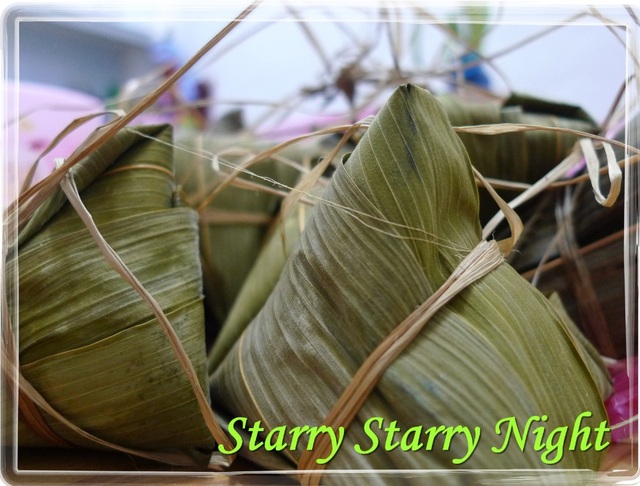
Rice Dumplings
Image Hosted by PicturePush - Photo Sharing
The notion of dumpling came from the lumps of rice, which is now largely associated with the glutinous rice dumplings; also known as Zhongzi (粽子) in Mandarin or also Zong 粽 in Cantonese.
The rice dumpling is usually wrapped in bamboo leaves; in a triangular or tetrahedral shape.
The glutinous rice is the main part of the dumpling, and is usually cooked by stir-frying.

The traditional zong/zhang (Hokkien) is composed of black mushrooms, salted egg yolk, pork, chestnuts, and may contain traces of dried scallops/shrimps too.

The making of zhang/zong is a long and tedious process, and usually take a few hours and is a family activity (like all Chinese festivals) in the olden days.

There are also different types of zong with their fillings available, such as red bean paste, mung bean paste, chicken, or sometimes, no filling at all which requires the dumplings to be eaten with sugar or sweet syrup.

Dragon Boat Race
The paddling of the boat to search for the poet's body or to scare away the fishes gave birth to the idea of the dragon boat race which coincides with the celebration of the festival.
The notion of the dragon came about due to the period of the dumpling festival which occurs during the summer solstice, where the day presides longer. As the sun is often associated with the yang energy and also the iconic dragon, thus the boat race came to be known as the Dragon Boat Race, a symbol of the weather.

The Dragon Boat race is an annual event in a few countries like Malaysia, Singapore and China.

The dragon boat race is most popular and garnered much public attention in Malaysia; which usually takes place in Penang, an island located in the northern region off the west coast of Peninsular Malaysia where most of the professionals participate to win the tournament every year.
Even schools sent their best teams to partake in the exciting race which attracted not only the foreigners but also local tourists from all over Malaysia to make that trip to the state to watch the race in action.

Public Holiday
The festival is observed as a public holiday in China and states in the republic; which includes Taiwan, Macau and China.

This year, in Malaysia, we were fortunate enough to have the festival coincide with the public holiday replacement of the king's birthday which fell on Saturday, and thus some of the companies replaced the holiday for their employees on the following Monday which was the day of the festival, thus making it a longer weekend :)

For more on the Zong (food), please refer to my food blog :)

Thursday, May 26, 2011

Vesak Day in Malaysia

Image Hosted by PicturePush - Photo Sharing
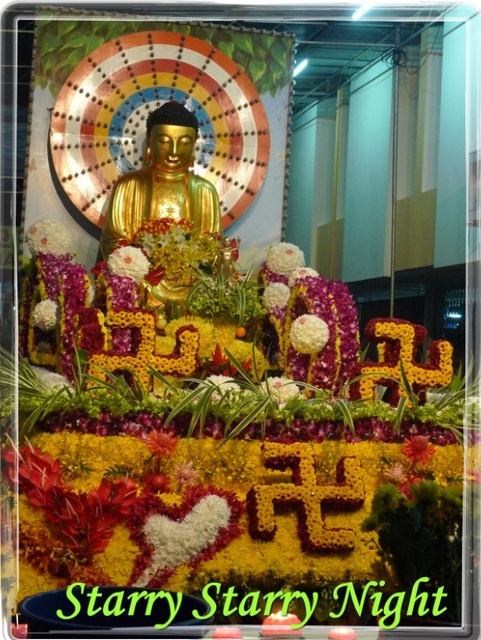
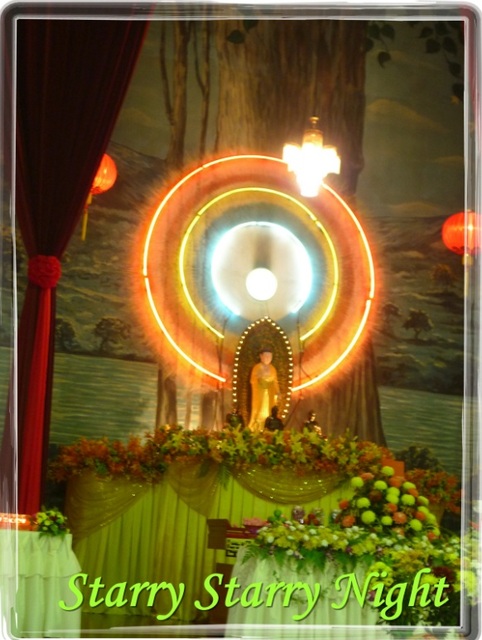
Vesak Day, or Vesakha is a Buddhist festival observing the birth, enlightenment and the death of Gautama Buddha, all on the same day.

The celebration of Vesak Day falls on the first full moon in the month of May; which is also the 15th day in the Chinese Lunar calendar. The name Vesak is derived from the name of the month in the Indian calendar (Siddharta Gautama Buddha is an Indian prince).
Image Hosted by PicturePush - Photo Sharing

The festival is celebrated in several countries around the world; which observe it as an annual national public holiday. It was traditionally observed by countries like India, Nepal, Sri Lanka, Bangladesh and also South East Asian countries such as Cambodia, Laos, Vietnam, Indonesia, Thailand, Myanmar and also Malaysia.

I did not travel out of the country (perhaps someday I should) to participate in the festival celebrations or to experience how it is observed in other countries, but I think the festival is already observed with much importance in my own homeland.

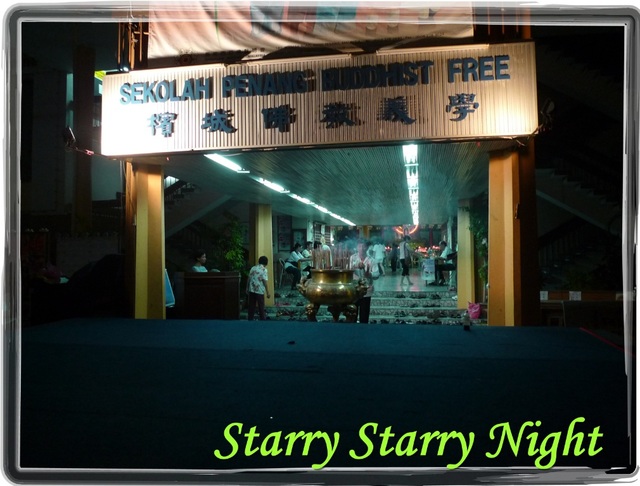
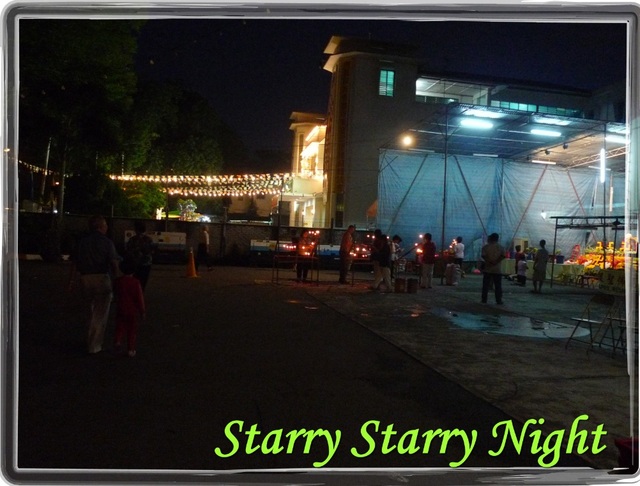
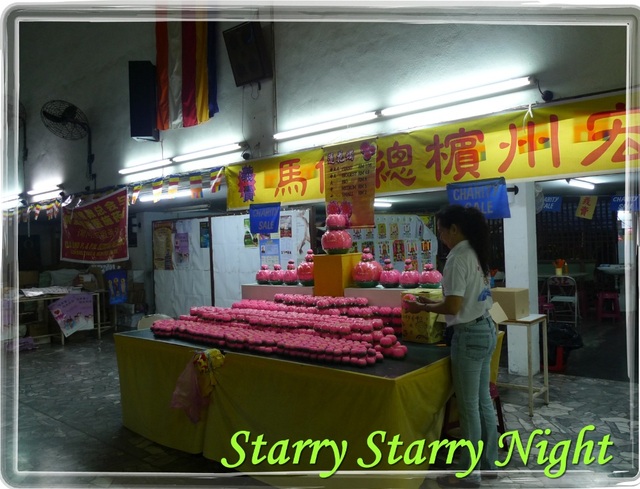
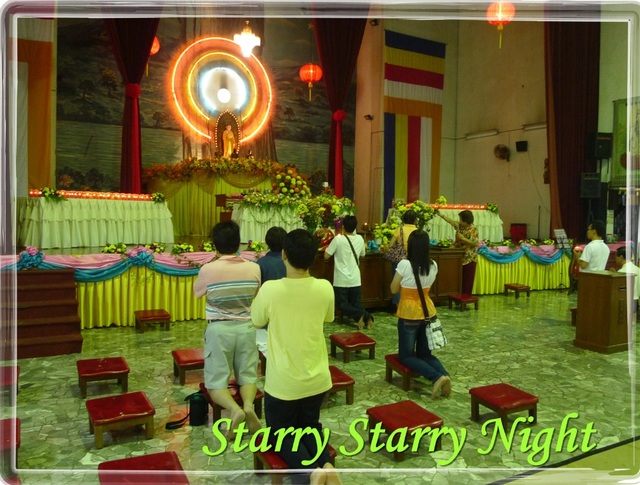
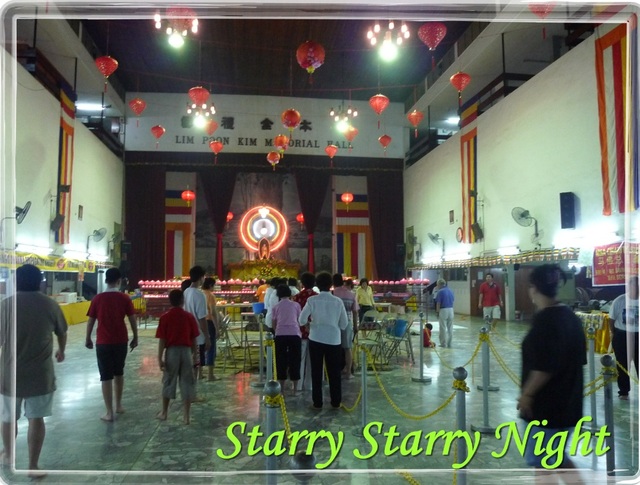
I am not a Buddhist, but I was honored to be able to join in the celebrations with the devotees who woke up early in the morning to visit the temple, or the Buddhist Association; in this case, the association in Penang (located on Burmah Road).
Image Hosted by PicturePush - Photo Sharing

Being early means one get to avoid the massive crowd which will form later in the day, and also to be able to see the setup and preparations of the volunteers for the big event; which included the prayers, blessings and also the parading of Buddha statue on the streets.
Image Hosted by PicturePush - Photo Sharing

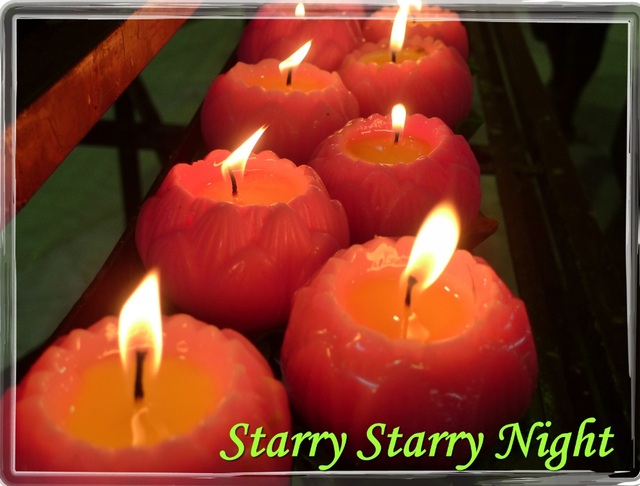
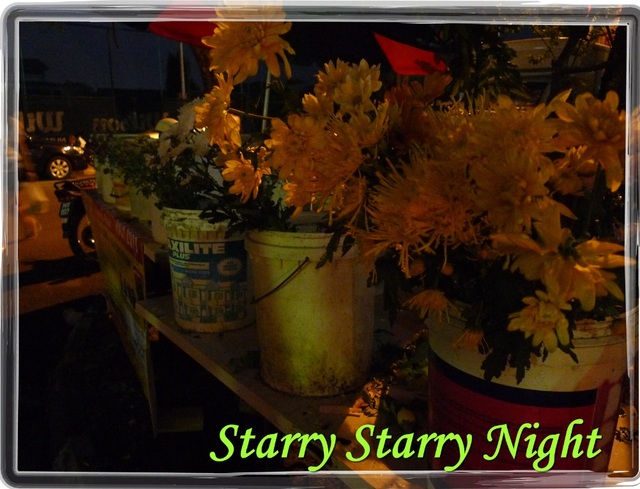
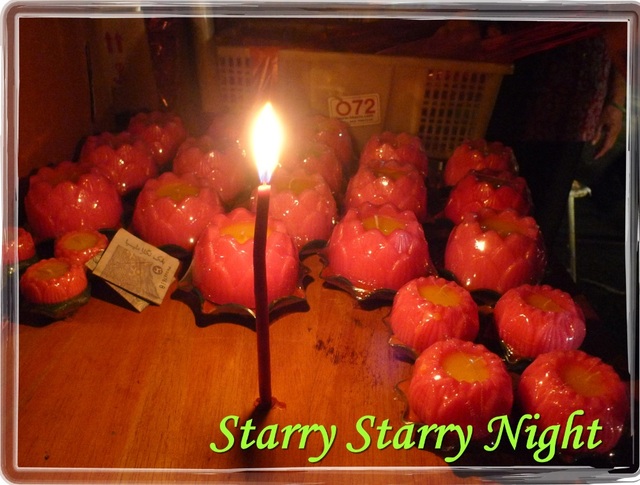
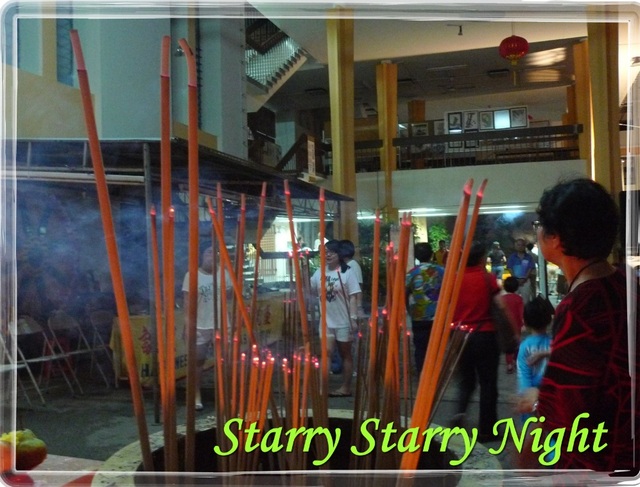
It is not uncommon to spot stalls selling fresh flowers, candles (lotus shaped), and joss sticks on the roadside on this day; whichever temple or association centre you go to.
Image Hosted by PicturePush - Photo Sharing

Vesak Day is a religious festival, and is viewed as a very important celebration in the Buddhism context as Buddhists are to reaffirm their faith in Buddha's teachings besides the three momentous events; birth, enlightenment and death of Buddha.

Emphasizing on peace and nobility of life in serving others, Buddha called on his disciples/followers to do the same, through the observation and daily practice of the Five Percepts; which focuses on the commitment of abstinence from killing, stealing, sexual misconduct, lying, and intoxication and to adhere to the teachings of life towards humility, morality and simplicity.
Image Hosted by PicturePush - Photo Sharing

On important festivals/events such as Vesak, the Eight Percepts are observed, as an addition to the Five Percepts, but they are based on the moral guidelines to lead a more honorable life according to the messages preached by Buddha.
Image Hosted by PicturePush - Photo Sharing

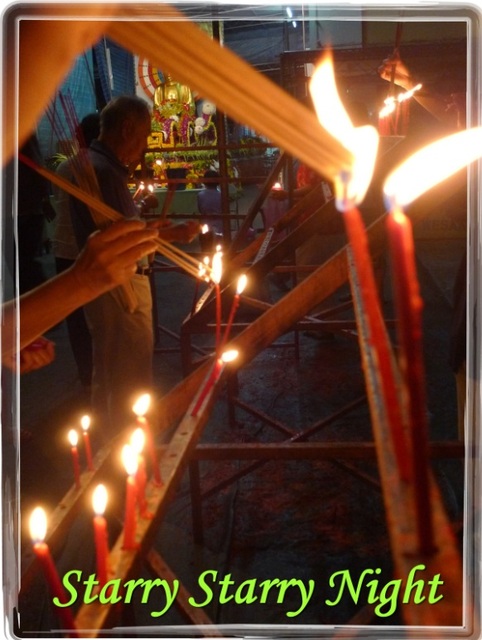
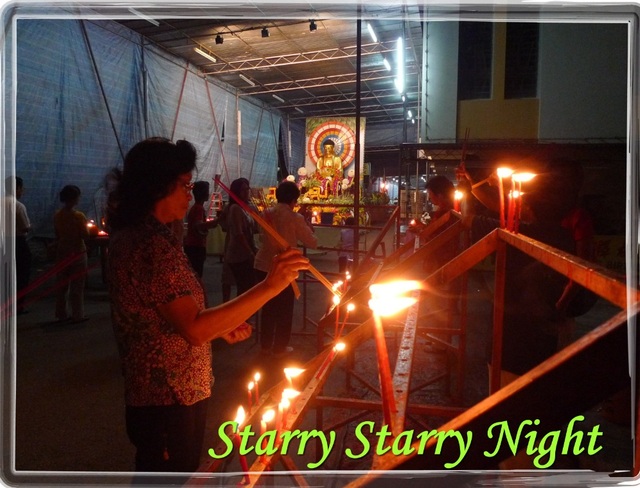
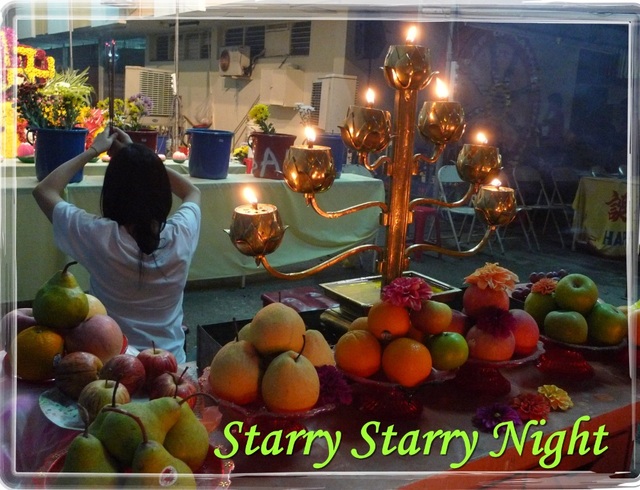
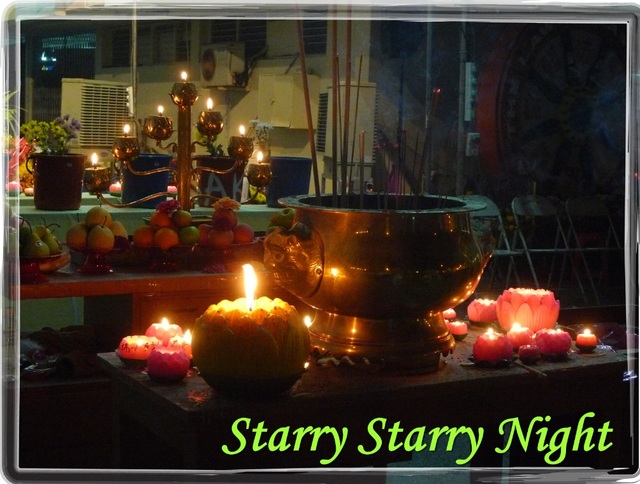
Typically, as I was told, there are rarely joss sticks used in the worshipping of Buddha, but on Vesak Day, joss sticks, candles, fruits and flowers are offered to Buddha (the joss sticks are not allowed at the altar or inside the building though).
Image Hosted by PicturePush - Photo Sharing

There is a meaning to the joss sticks and flowers offered, and is again, in line with the teachings of Buddha.
Image Hosted by PicturePush - Photo Sharing

It is based on the concept that nothing stays for eternity, and that there is always change revolving around all matters. Joss sticks are burnt and then there is nothing left but ashes, and flowers do not stay in bloom forever as they will wilt, dry and fall to the floor. It is the same with life, no one stays immortal nor young forever, we are also subject to death and objects around us could also be destroyed.
Therefore, people are urged to appreciate what is present and also not to do harm unto others.

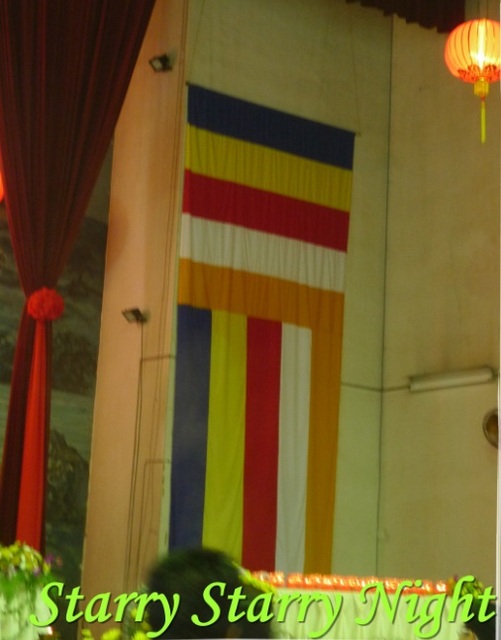
The celebrations of Vesak Day also traditionally start before dawn, whereby devotees are called to the temples to assemble and witness the raising of the Buddhism Flag.
Image Hosted by PicturePush - Photo Sharing

Then there are Buddhism hymns sungs, which are verses from the Buddha, Dharma, Sangha; all of which are part of the holy triple jewel.(Source: Vesak, Buddhism)
Image Hosted by PicturePush - Photo Sharing

Besides the worshipping and observing of the teachings, the devotees are also called to practise the peaceful and life-giving kindness to others.
Image Hosted by PicturePush - Photo Sharing
As such, some would volunteer to help with the preparations or painting/decorating the temples - painting of Buddhism murals, preparing food for the poor and the needy, donations to the poor (clothing, food or money) as these resemble acts of kindness, harmony, peace and unity among all mankind.

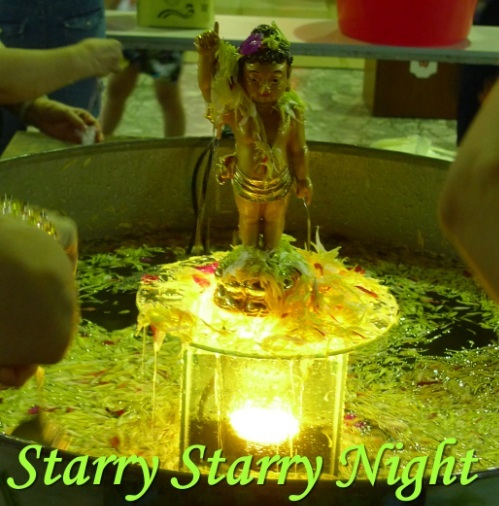
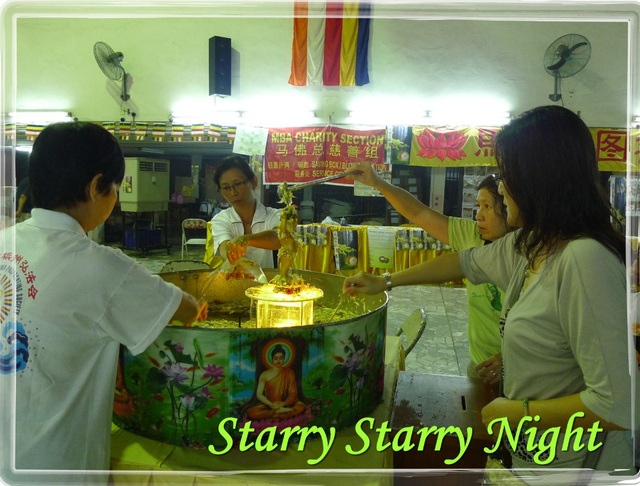
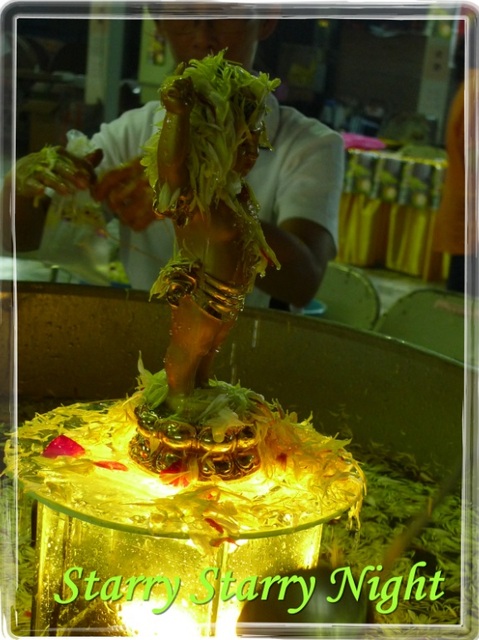
Another interesting ceremony to observe during the celebration is the bathing of the small baby Buddha statue which is placed standing in the middle of a golden basin filled with water scattered with fragrant flowers.
Image Hosted by PicturePush - Photo Sharing

Devotees will then take turn to bathe the baby Buddha, by using the ladle provided to scoop the water in the basin which are filled with the flowers and gently pour it over baby Buddha's head and body.
Image Hosted by PicturePush - Photo Sharing
This is significant in cleansing the bad karma from oneself (devotee/practitioner) and at the same time, remembering the birth of Buddha and honoring him with the offering of gifts and flowers.

There will be volunteers packing the 'bathing water' from the basin into plastic bags for devotees to bring home, as it is considered holy water.
Image Hosted by PicturePush - Photo Sharing
Traditionally, the water is poured into the water tub in the bathroom as I was told, but these days, they will just put it in a basin for everyone in the family to bathe with a little of the water from the packet.

All religion do not condone the act of killing; so does Buddhism teachings. On festivals like these, the devotees are to abstain from food which involved killing of animals; in short, no poultry or meat and one has to adhere to a vegetarian diet on that day itself.
Vegetarian food
Image Hosted by PicturePush - Photo Sharing

There are also doves, or tortoises being released as a symbol of freedom and peace.

Vesak Day is an important religious festival, and is marked by a national public holiday in Malaysia. Be respectful to others' religions even if you are not a devotee, and if you are interested to take photos, do be aware of your surroundings and be mindful not to be in the way of the devotees who are offering their prayers.

Another unique part about this festival is that it is unlike other festivals where people are dressed to the nines to celebrate, I noticed that most of the devotees are dressed in simple clothing and I found that it is also according to the teachings of humility and to be mindful of the teachings of Buddha.
Well, even if one is not required to dress formally, it is common sense not to go in your pajamas or micro mini skirts as well.

I wish all the Buddhists out there (whether you are my friend or not), a very blessed and fulfilling Vesak Day (it's belated, I know, but the teachings are never belated).

Monday, April 25, 2011

The Story of Ching Ming Festival

Ching Ming, or Qing Ming, literally translates from Chinese to mean "Clear/Bright Festival" in English.

This festival is also known as the following:
1. Ancestors Day
2. Sweeping Tombs' Day/Grave Sweeping Day
3. Chinese Memorial Day
4. Chinese All Souls' Day

Ching Ming is a festival traditionally observed by Chinese families; whereby the whole family would gather and make a trip to their deceased ancestors' tombs to pay respects/worship.
As this is a yearly event, therefore, the tombs would require to be tended to or cleaned up as grass tends to grow so long that it would cover the graves.
Despite the long grass being a nuisance, the Chinese would not have it otherwise as the longer the grass grows, it actually symbolizes wealth and fortune to the descendants.

Occurrence
Ching Ming usually falls in the month of April, astrologically, it occurs approximately 104 days after the Winter Solstice Festival, or 15 days after the Spring Equinox.
Most of the families would start to visit the graves of their loved ones as early as 10 days before the actual day of the festival, or 10 days after the date of Ching Ming, as long as they pay respects to their ancestors during this stipulated period of the festival.

The festival got its name from QingMing, the name of the fifth solar term as it falls on the first day of this term. The name of the term denotes the greenery during this time where people would be enjoying the greenery. It is aligned with the tending of the graves as well as paying respects to their ancestors during the annual homage by the descendants.

Ching Ming festival observes the remembrance of the deceased ancestors in the family, and this practice is associated with the concept of filial piety emphasized by the great teacher Confucius. However, besides the fulfillment of filial piety, there is also a story behind the origin of this festival; the story of the friendship/brotherhood of the Duke Wen of Jin and Jie Zitui.

Origin/History
It was said that once upon a time, the Duke Wen, before he became the duke, he had many followers, and one of them is Jie Zitui. At one point of time, Wen was put away in exile and after 19 years of living life in exile, they came to a time where they had no food at all. Not wanting to see his master suffering from hunger, Jie Zitui cut his own thigh and used his own flesh to make a bowl of meat soup for Wen. Wen enjoyed the soup and when he found out about Jie's sacrifice, he was deeply touched and promised to reward him in gratitude some day.
Wen then emerged victorious and managed to return to the land of Jin and became the Duke Wen of Jin. He kept to his word and rewarded people who have helped him during his exile and on his success in becoming the duke.
Perhaps it was a long list of people to reward, or the duke just had too many followers, somehow, Duke Wen missed Jie Zitui in the list to reward.
When Duke Wen finally remembered, he scattered his followers to locate Jie, who had now retired to a peaceful life with his mother in the forest.
Duke Wen was unable to locate Jie although he had arrived at the forest, and one of his advisors proposed to set fire to force Jie and his mother to run out of the forest.
Duke Wen agreed to the idea and so it was done, but he was greeted with adverse results, as the fire spread too quickly and Jie and his mother died in the ravaging fire as a result.
Duke Wen was distressed and overwhelmed with guilt, and he ordered the nation, in memory of Jie, three days without fire and then became a memorial day for Jie Zitui, whereby only cold food can be served and no fire is allowed on that particular day.
This day is also known as the Hanshi Day (literally, a day of cold food).
The land where Jie died was also known as Jiexiu (translated to 'the place where Jie is laid to rest forever).


Another version was during the Tang dynasty period; 2500 years ago:
The tradition of Ching Ming dated back to the period of the Tang dynasty; during the reign of Tang Emperor Xuanzong. During that time, the people would flock to the graves of their deceased loved ones with extravagant gifts and offerings from time to time, that the Emperor saw that the people were going overboard and thus declared that there is only one official day to tend to the graves; and that day was named Ching Ming. This practice was then solidified in the Chinese community.

Both versions are independent of each other, and have much truth in the practice of today's Ching Ming festival.
People would bring food and gifts in the forms of paper offerings to be burnt for their loved ones to use in the other world.
Food usually vary; and the most common would be chicken or duck, fruits, buns, and wine or tea.

Celebration
During the visit to the graves, the rites are usually parted into 3 sections (unofficially):
1. Cleaning of the graves
2. Offering of food, joss sticks and burning of the paper offerings
3. Gathering of the family for lunch (the food brought for offering would be shared among the family members)

Culture
Ching Ming is widely celebrated among the Chinese community everywhere around the world although the way the tradition is carried out may vary slightly.
In general, this is very much a family affair, whereby everyone in the family meets in a crowd during this time of the year to pay respects together to their ancestors.
The requirement is understandable; as this is one year that respects are paid to the ancestors, and it is with due respect that the descendants should gather in honour of their ancestors.
In Malaysia, the day itself starts early in the morning to make way to the graves. Families would also pay respects to the tablets of their ancestors at the altars at home; this is an option and not many people observe this practice anymore.
Relatives and family members from afar would make their way home to meet up with the rest of the family before making the journey to the graves.
Upon reaching the tombs, the family would place their offerings aside and start cleaning up the tomb.
This usually involves shearing of the long grass growing around, on and behind the tombstones, wiping/polishing the name plates of the tombs, and then cleaning the premises surrounding the tomb.
Once the cleaning is done, the food would then be placed nicely on the plates and the wine in little wine cups (just like what one would do when preparing a feast).
Joss sticks and candles would also be lit and at the same time, the paper offerings of money and worldly items; i.e: car, house, shoes, clothes, and now, the newly made popular designer and luxury goods such as handbags and electronic items are burnt to their ancestors.
(The Chinese believe that their ancestors would be able to receive it in the other world, and they feel obligated to provide for their deceased loved ones' comfort and better living in the netherworld).

At the same time, the family members would take turns to bow down (or in Chinese, kowtow), three to nine times in front of their ancestors. The family members take turn based on their seniority in the hierarchy of the family; usually starting with the eldest.
After the kowtow, the family would then take out two blocks of wood which are crescent-shaped facing each other. These are used for the purpose of communicating with their ancestors to ask them questions. The main question to the ancestor is whether they are done with the food offering.
If the wooden blocks up in opposite direction (one facing up and the other facing down) when thrown on the floor, it means they are not done with the food.
If both face in the same direction (either up or down), it means that they are done.

When the signal that their ancestors are full came from the wooden blocks, it is then time for the descendants to have the food for themselves.
They would usually gather at a nearby park or shelter (as the tomb is usually too small or sunny for the whole family to enjoy their food) to have lunch/meal together.
This signifies the reunion of the descendants with their ancestors.

Typically the whole worship process takes about half a day and is a time of gathering for the families.
(Most Chinese festivals focus on the reunion of families)

This is not a religious festival, but a Chinese tradition as it is focused on the respect for the deceased loved ones and ancestors.
It is a tradition that will continue for centuries to come, and observed with accordance to the traditional sequence.

The only thing which evolves over time is the form of paper offerings and even the food.
I find the creativity of the vendors selling these paraphernalia items fascinating; as they kept themselves to date with the current trends.

Whenever I see the paper LV, Prada, Gucci bags hanging along the corridors, I knew that Ching Ming time is near.
This year, they even have IPhone 4 and Ipad, talk about innovation!~
Image Hosted by PicturePush - Photo Sharing

The Ching Ming festival ended about a week ago; after about three weeks of time to worship the ancestors (and for family gathering).
It is a tradition which is important to be passed on to the subsequent generation to remind them of the importance of filial piety and to know their own roots from young.

Thursday, March 31, 2011

April Fools' Day

Today marks the first day of April; and traditionally, 1st of April is known as April Fools' Day.

April Fools' Day is internationally observed as a day of jokes, humor and pranks played on people. However, it is not a public holiday though; just a day dedicated to fun and tricks.

It may be a question as to how April 1st is the only day celebrated for jokes and not any other months in the year; but there is a long story behind the origins of April Fools' Day.

I have done a bit of research and reading on the history of how it all started and there were different opinions/findings on the whole theory of the beginning of the day itself.

1. The earliest citation was found in the Nun's Priest's Tales in Canterbury Tales (Geoffrey Chaucer), which was written in the 12th century (1392).
There was a line which caused a disambiguation; and contemporary scholars believed it to be a copying error in the manuscript which misled readers to believe 'Syn March bigan thritty dayes and two' was actually 'Syn March was gon'.

The disambiguation lies in the belief that the author; Geoffrey Chaucer actually referred to 32 days after March and not on the 32nd of March as originally appeared in the text.

Please refer to Wikipedia for more explanation.

2. The early civilians used to celebrate and usher in the New Year between the mid of March until early April; or usually on the first day of April as it was the period which coincided with the occurrence of the vernal equinox.
March 25, or also known as the Feast of Annunciation was celebrated by the Romans or the Europeans during the medieval times too.

The emergence of the new Gregorian calendar (enforced by Pope Gregory XII in 1582) as the replacement of the old Julian calendar commemmorates January 1st as the commencing of a brand new year.

January marks the beginning the year in the Julian Calendar; and the first day in this first month naturally became New Year's Day in that context.

This event thus shifted the celebration of New Year's Day from March/April to the 1st of January and the shift, caused a confusion among the folks who chose to observe the new New Year's Day and those who are still following the old New Year.

Those observing January 1st then buffed and made fun of the conservatives; thus giving birth to April Fools' Day on April 1st.


3. Joseph Boskin, a history professor at the Boston University provided his own theory/perceptions on the origins of this celebration; associating it with the court jesters who made a proposal to the emperor during the reign of Constantine period.
They proposed to be able to rule the country better than the ruler; and Constantine, agreed to allow the jester, Kugel to rule the country for a day.

The day was since then observed as a day of insanity/absurdity; an edict by the same jester and there is no doubt that it was the first of April.


The April Fools' Day is widely celebrated mostly in the Western countries, and there is no wonder, looking back at the history and theories of its origin.
However, the popularity of the pranks, humor and jokes played on this particular day had quickly spread to the rest of the world and almost everyone is celebrating this day by playing pranks and tricks on people around them.

There are also countries which only allow jokes to be circulated or pranks played until noon and anyone still fooling others after noon are branded as the April Fool. These countries are UK, Ireland, New Zealand, Australia and South Africa and perhaps they just want to spare their citizens from being fooled for another half of the day? :)
The rest of the world, however, observes the whole of April 1st to play pranks on anyone.

It is also interesting to note that there are bigger jokes played in some of the countries; which included the mass media reporting fascinating news (which were untrue) but enough to cause a stir among the public.
For instance, the Tower of Pisa had collapsed! (yup, it's an April Fools' Joke played on the public by the Dutch television - that can be so convincing huh!)

Perhaps it is a fortunate thing that my country do not scare the public like that too :)

In case you are wondering, this is a real post on April Fools' Day and I am not joking about the resources I have found on the origins of this day.

Hope you have fun today, and HAPPY APRIL FOOLS' DAY!~

Image Hosted by PicturePush - Photo Sharing

Friday, January 28, 2011

Thaipusam - a colorful festival

Thaipusam is known as one of the most colorful festivals in Malaysia, and it is truly a festival filled with colors.
Like all festivals, Thaipusam is also a celebration of the triumph of good over evil.

Thaipusam is a festival of Hindu origins; and commemmorates the victory of the Lord Murugan over the evil demons following the granting of a vel (which is a spear) by the Goddess Parvati.
It is also believed that the Lord Murugan is also known as the God of War, and He was created by the Lord Shiva who granted the request of the Devas during their battle with the Asuras. As the Devas could not defeat the might of the Asuras, they prayed for Lord Shiva's help and He created Skanda or also known as Murugan or Achintya Shakti to defeat the Asuras.
Of course, the Lord Murugan indeed emerged victorious in the battle.

It is to celebrate this occasion that Thaipusam was regarded as such an important festival among the Tamil communities around the world.
The festival is widely celebrated among the Tamil communities in India, and outside India in places like Mauritius, Malaysia and Singapore.

In Malaysia, Thaipusam is a public holiday declared in most states such as Penang, Selangor, Perak, Johor, Negeri Sembilan, Kuala Lumpur and also the new Federal Territory of Putrajaya.
Celebrations are grand and popular particularly in the states of Selangor, where Batu Caves is and also in Penang and Perak.

Thaipusam falls on a full month in the 10th month of Thai in the Tamil calendar and the word Thaipusam is derived from the month name Thai, and the star at its highest point, Pusam.

During the festival, there will roads which will be blocked in Penang, which are cleared for the journey of the devotees bearing kavadis to the holy temple of Nattukottai Chettiar Temple along the Waterfall Road in Penang.
In Kuala Lumpur and Selangor, the journey starts from the Sri Mahamariamman Temple in KL to the famous Batu Caves temple in Selangor.

Last year in 2010, I decided to make a trip to witness the celebrations of Thaipusam in Penang as it was one of the states popular for the grand and large scale celebrations.
In fact, even the local Chinese community partake in the celebrations of Thaipusam.

The celebrations start from the early hours in the morning, where faithful devotees are already spotted making their way towards the temple; dressed in elaborate attires in respect for the honourable festival.
Image Hosted by PicturePush - Photo Sharing

It is not uncommon to spot devout devotees bearing Kavadis in different forms as they make their offerings to the Lord Murugan.
Image Hosted by PicturePush - Photo Sharing

Kavadis are associated with debts bondages; and originated from the Kavadi attam dance which is performed as a form of worship to the God of War, Lord Murugan by the religious believers.
The Kavadi is also a form of burden to be imposed on the devotees physically as they seek the help of the Lord Murugan.

Before one can bear the Kavadi, there are several rules to be observed by the devotee.
For instance, the devotee would have to prepare himself/herself through spiritual cleansing by fasting and praying for 48 days. The fasting also means the person has to give up all forms of luxuries in life and to focus his/her thoughts only on God.
It is only through this way that the person can bear the kavadi to show his/her sincerity.

Kavadi come in different forms; and the bearer would have to select one form of kavadi (burden) on the day of Thaipusam while taking on the pilgrimage along the journey (the route has been set) bearing the kavadi.

The simplest form of the kavadi is the carrying of a pot of milk


Image Hosted by PicturePush - Photo Sharing


Image Hosted by PicturePush - Photo Sharing

Image Hosted by PicturePush - Photo Sharing


This is commonly spotted among the devotees who held a pot of milk on top of their heads as they made their way towards the temple.

Another form of kavadi would be a semicircular decorated canopy supported by a wooden rod and to be carried by the devotees upon their shoulders(source from Wikipedia)
Image Hosted by PicturePush - Photo Sharing

The most common and popular form is the piercing, or also known as the mortification of flesh.
The spears or vel would be pierced through the flesh through the tongue, cheeks or some on their back.

Those on the tongue or cheeks are to prevent the devotee from speaking and to focus on the Lord Murugan and his powers. It is also a test of endurance.

Another form of kavadi would be the sticking of the hooks on the back of the devotee and then being pulled by strings attached to vehicles or another walking person with each incision on the back to indicate the level of pain.
It is believed that the merits earned from the gods and Lord Murugan would increase accordingly to the increase of the level of pain from the back.
Image Hosted by PicturePush - Photo Sharing

It is often a mystery, particularly to the foreign tourists as there were no blood shed nor do the devotees scream of pain during the bearing of the kavadi and they could usually succeed making their pilgrimage all the way to the temple.

This is often associated with the strong faith and belief among the devotees.
It is believed that you need to be truly devout and faithful in order to complete this task as the devotees and the kavadi bearers have to follow the earlier preparation of fasting and prayer before bearing the kavadi.
During the bearing of the kavadi which includes the piercing, the devotees have gone into a trance and this is believed to be the blessings and protection by the great Lord Murugan.
Therefore, this is not a matter of science, but more of religious faith.

It is not a surprise to spot Chinese believers making their way to pray to Lord Murugan as well.
Ah, such is the faith of the believer, bless them!

Image Hosted by PicturePush - Photo Sharing


Jalan Utama leading all the way to Waterfall road in Penang is the main road blocked for the worship and pilgrimage journey of the devotees and preparations would start a few days earlier.

There were several booths set up and were elaborately decorated; sponsored by the various local and multinational companies in the state.
Image Hosted by PicturePush - Photo Sharing

The whole road would also be lined with stalls by eager patrons selling food and drinks and ornaments to the pilgrims
Image Hosted by PicturePush - Photo Sharing

Image Hosted by PicturePush - Photo Sharing


It is truly an elaborate festival and attracted crowds from not just the locals and the Hindu devotees in the states, but also tourists from near and afar.
In fact the place would be really crowded and some devotees would even camp near the temple!
It is indeed a touching sight indeed, and I even spotted the little children having their meals by the roadside while waiting for their elders, maybe?
Image Hosted by PicturePush - Photo Sharing

The celebrations would usually cease by noon; with all the devotees completing their rituals and prayers and the devotees would usually cooperate to clean up the road to ensure traffic returns to normal.

I was truly touched by the amazing festivities and worship of the devotees during Thaipusam and I feel blessed to be in a country where all races and religions could learn from each other.

Image Hosted by PicturePush - Photo Sharing


It is indeed a magnificent sight indeed and it is great to know of the existence of such great faith in this contemporary age whereby everything is dictated by science.

Faith is a mystical thing, and it brings comfort and peace to all those who believe.
All of us believe in our religion and we are taught to do good, no matter what religion we believe in.

Blessed are those who believe!